How to Make Deepwoken Builds
Plan Power 20 attributes, talents, mantras, and Oaths before you waste investment points.
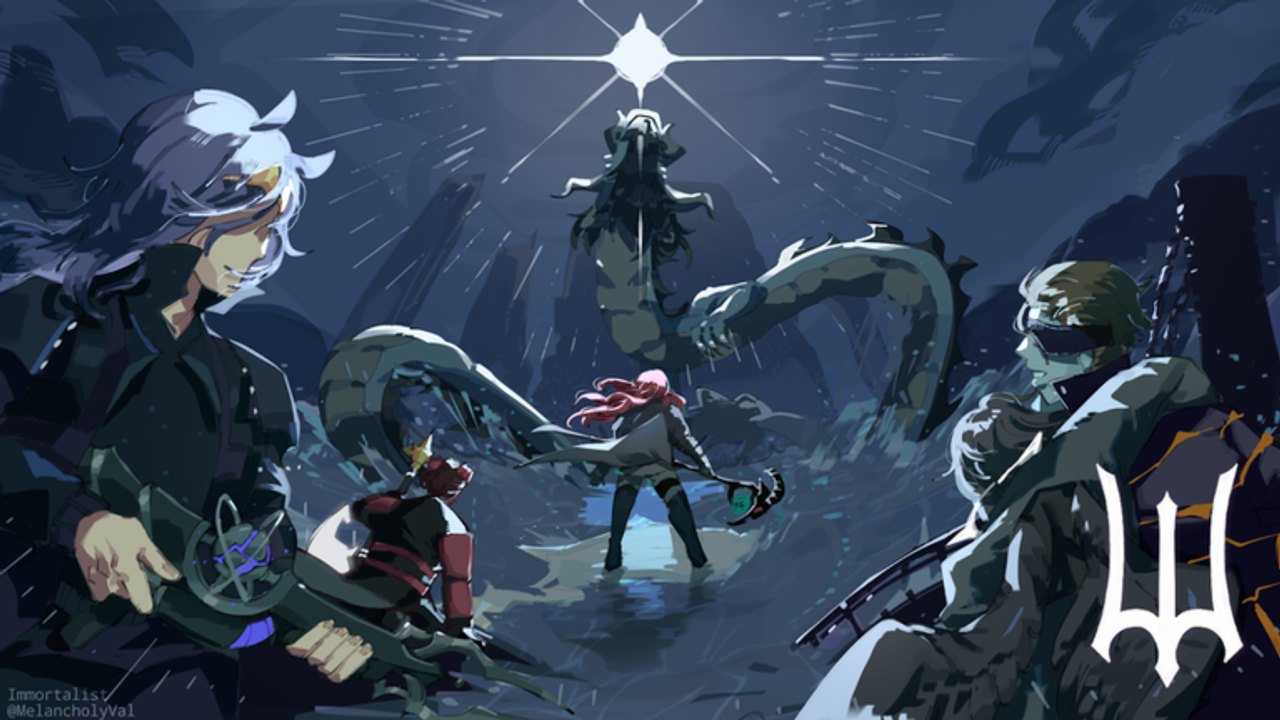
A Deepwoken build is a contract with your future selves. Power caps at 20, and each Power grants 15 investment points that permanently shape attributes on that slot. Talents, mantras, weapons, and Oaths all gate behind those numbers. This guide shows how to plan a Power 20 character, avoid dead investment, and differ PvE progression kits from PvP duel kits.
Use the build planner while you read. Cross-check live viability on the tier list hub, and read Oaths before you swear something you cannot break cleanly.
Start from a fantasy, then constrain it
Strong builds begin with a clear fantasy: heavy posture breaker, attunement caster, hybrid gunblade, mobility duelist, Depths PvE specialist. Write the fantasy in one sentence, then list must-have tools:
- Primary weapon type (heavy, medium, light, or hybrid).
- Attunement identity (Flamecharm, Frostdraw, Thundercall, Galebreathe, unlockable lines like Ironsing, Shadowcast, Bloodrend, or attunementless physical).
- Oath destination from the Oaths list.
- Two or three legendary or rare talents that define the kit.
If those pieces fight each other for the same attribute budget, the fantasy is too wide. Cut until the Power 20 sheet closes.
Attributes and the 15-point rhythm
Attributes include Strength, Fortitude, Agility, Intelligence, Willpower, Charisma, and weapon tracks (heavy, medium, light) plus attunement investments. Every Power-up is a chance to buy gates:
- Weapon softcaps and hard requirements for your endgame blade.
- Attunement ranks that upgrade mantra levels (thresholds such as 20 and 40 matter for mantra ranks).
- Talent cards that only appear when you meet their stat floors.
- Oath unlock requirements (many need combined totals).
Plan backward from Power 20. Fill the endgame sheet first in the build planner, then create a leveling order that hits survival talents early without stranding points. The Carnivore opener from Getting Started (5 Strength, 5 Willpower) is a common early beat — fold it into the long plan instead of treating it as a separate character.
Multifaceted Echo unlock frees Aspect innate points for allocation and is one of the best account upgrades for builders. Echo spending context lives in Lives, Wipes, and Echoes.
Talents: common, rare, legendary
Talent hands appear as you Power up. Commons can be biased with Mystic NPCs toward a tree. Rares (often red) roll randomly once requirements are met — you cannot force them the same way. Legendaries usually need supporting cards from their line.
Builder discipline:
- Burn cards that actively hurt the kit.
- Keep flexible commons that enable legendaries you still need.
- Do not brick mantra slots with curios you will never cast.
- Remember Shrine of Order and other late systems can reshape distribution — but they are tools, not excuses for zero planning.
Neuroplasticity and similar talents expand mantra flexibility; evaluate them if your fantasy needs more combat or mobility slots than the default loadout allows.
Mantras and attunements
Default mantra slot counts are limited across combat, mobility, support, and wildcard categories. Oaths and talents can expand that. Level mantras at attunement trainers once investment thresholds are met. Full school, Whisper Draw, and shrine details live in Attunements and Mantras; permanent unlock routes for Shadowcast, Ironsing, and Bloodrend are on Players: Attunements. Modifiers (gems, inscriptions, mantra mods) turn a basic kit into a real one — farm materials via Farming instead of assuming drops appear when you need them.
Attunementless physical builds are valid. Hybrid double-attunement dreams usually need Echo unlocks such as Elementalist and serious investment discipline. Pick one primary damage channel for your first Power 20 slot.
Oaths
Oaths are late identity locks with rules and power. Examples span Oathless, Bladeharper, Blindseer, Jetstriker, Chainwarden, Contractor, Dawnwalker, and many others with distinct stat gates. Read Oaths for requirements and playstyle. Some Oaths are controversial in PvP culture; Contractor especially has a reputation — know the social and mechanical cost before swearing.
You can pursue Oath content after you survive consistently. A wiped Oathless Power 12 teaches more than a forced Oath on a character that cannot escape the Depths.
Alloyblood (Blood + Iron) during Hallowtide
Alloyblood is the composite Bloodrend + Ironsing path that spiked in community sheets during Hallowtide 2026. It is not a free seasonal unlock — you still buy attunement gates, talent floors, and weapon requirements out of the same 15 points per Power.
When theorycrafting Alloyblood:
- Lock one primary damage channel first (blood pressure versus iron needles), then add the second attunement only if the Power 20 sheet still closes.
- Seasonal weapons such as Corvidirge Severants or Silas’s Cenotaph can carry the fantasy, but only if their attribute floors fit your Origin and Oath plan.
- Do not skip sustain talents because festival lobbies feel casual — Harvestman and Floating Keep crowds punish glass cannons.
- Farm Joy medals and materials via Farming while you level; do not treat the event as a substitute for attribute math.
Validate the sheet in the build planner, then re-check live mantra and talent behavior after each combat patch. Attunement identity still lives in the same investment budget as every other hybrid — Bloodrend and Ironsing are unlockable lines, not base starter elements.
Beginner PvE versus PvP tips
PvE-first slot
- Prioritize sustain talents, armor regeneration, and monster-specific tools.
- Medium or heavy weapons forgive timing mistakes better than light.
- Bring mobility for Depths routing and Depths Escape trials.
- Clear Trial of One for the early investment spike when Lone Warrior is available.
PvP-first slot
Drill fair matchups in Chime of Conflict PvP before you trust a glass kit in open-world Combat Tag.
- Master Combat and Controls before copying a meta screenshot.
- Budget posture tools, feint threats, and a vent plan.
- Check the tier list for the current patch, then simplify — one mixup tree beats five half-built gimmicks.
- Expect ganks; untested glass cannons die stained.
Workflow checklist
- Write the one-sentence fantasy.
- Draft Power 20 attributes in the build planner.
- List mandatory talents, mantras, weapon, and Oath.
- Create a leveling order with early sustain.
- Validate gates against tier list notes and Oaths.
- Play the plan until stain risk forces a rethink — then edit the sheet, do not random-dump.
Builds are living documents. Patches move mantras and talents. What does not change is the arithmetic of 15 points per Power and the cost of a wipe. Plan on paper, then earn the right to freestyle.
Frequently Asked Questions
Quick answers for Deepwoken Pathfinders.
What is the Power cap in Deepwoken?
Power caps at 20. Each Power grants 15 investment points for attributes that gate talents, mantras, weapons, and Oaths.
Where should I plan stats?
Use the build planner tool on this wiki, then sanity-check ideas against the tier list and Oaths pages before locking a path.
Should my first build be PvP meta?
No. Learn sustain and Depths survival on a PvE-friendly kit first. Add duel complexity once combat fundamentals are solid.
Do Aspects lock my attributes forever?
Aspects grant innate bonuses. The Multifaceted Echo unlock lets you reallocate those innate points for cleaner theorycrafts.
When do I pick an Oath?
After you can survive and meet the stat requirements. Read the Oaths page, then swear once the kit already functions without it.
Is Alloyblood a free Hallowtide unlock?
No. Alloyblood is a Bloodrend + Ironsing composite you still fund with Power 20 investment. Use the event for Joy gear, not as a shortcut past attribute gates.